.png)

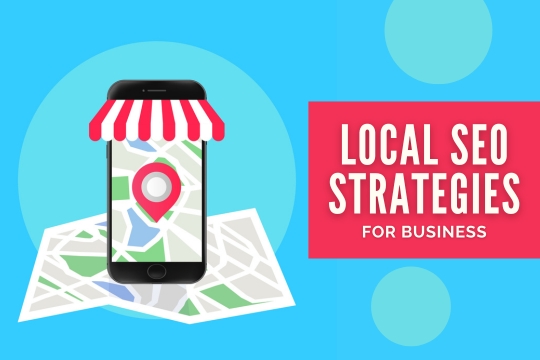
When a shopper plugs in a term like "yellow widgets company near me," you know you are dealing with someone ready to make a buying decision. You may remember the sales funnel illustration you have seen, which places these buyers at the bottom. They moved past the stages of interest and consideration and are now ready to close a deal. Getting your company in front of these customers is critical. So, what are the best ways businesses appear in near me searches?
It is decision-making time for the customer. When they plug in their "near me" search terms, they are ready to call your business, request directions to your location, or visit your website. They are likely prepared to make same-day purchases or set up appointments.
Also consider that "near me" searches typically occur on mobile devices. This customer is driving through town, might already be at a local shopping center, or is actively comparing companies. Appearing in this customer's search results puts you there at exactly the moment they are ready to buy.
In the past, effective local SEO strategies focused primarily on Google rankings. Your company needed to rank as high as possible to be visible to the customer. Today, it is essential that your listing shows up in hyper-local searches. To this end, some of the best ways businesses appear in near me searches is to have your business listings optimized for:
What does it take to show up and rank well in local searches?
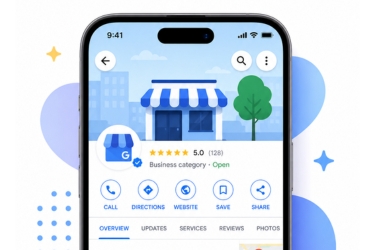
Your company's visibility keeps coming back to your optimized Google Business profile. It features your company's accurate business name, its primary business categories, and a search-engine-optimized (SEO) service description. Additionally, the profile features up-to-date business hours, contact details, photos, and updates. If you are unsure whether your business profile is up to date, check it and complete it.
Proximity is a critical factor when customers are looking for vendors and service providers. Google gives top billing to listings that show a close physical proximity to the user's location or specified service area. Your map data must be accurate and should feature photos. If possible, add local landmarks.

NAP is a clever acronym for name, address, and phone number. It sounds simple; however, even minor differences can confuse search engines. At the onset, choose how you will display your company's name, its address, contact details, and service descriptions. Now repeat it exactly across your website, Google Business profile, Google Maps, social media profiles, and directories. Carbon copy consistency builds trust with local search engines and AI-driven search results.
Local SEO should be part and parcel of your website's design. Successful companies typically have:
Proximity search SEO is not a "set it and forget it" one-time activity. Instead, your profile should show regular activity such as new photos, posted updates, customer reviews, and your responses to these reviews. An active profile signals that your company is active and engaged, which is critical for a "near me" listing.
Marketers like to coin new terms, and "local 3-pack" is one of them. It refers to the three business listings that appear first in Google search results, even ahead of organic website listings. You will notice that they answer queries like "widget company near me," "best widget company in X City," and "widget seller nearby."
This step puts your business in front of a massive audience. You will get more phone calls, website visits, and mobile traffic. So, what are the best ways businesses appear in near me searches and the local 3-pack?
Google's algorithm evaluates location specifics. It looks for signs that you are geographically close to the searching user, serve customers within the specified search area, and have a business profile that reinforces your geographic relevance. Geographic distance can take a back seat if a profile excels at prominence and search topic relevance.
For the business owner, this means using a real business name and address. Post office boxes are not suitable here. Place a map pin accurately. If you do not have an actual address, do not list a virtual office address or make up a location. Instead, focus attention on your service territory.
Pay particular attention when selecting your business profile's primary category. Are you a widget seller, manufacturer, or repair service? Last, but not least, avoid common pitfalls. They include duplicate listings, fake addresses, overly broad service areas, and thin content on location pages.
Prominence focuses on trustworthiness and brand knowledge. Is your business a local authority with an excellent reputation? Google's algorithm uses several key factors to determine prominence. Examples include website authority, review volume, business age, and local citations.
Distance is the actual physical distance between you and the user. Here, the algorithm looks for a physical business location, geographic relevance, and accurate service area settings. The closer you are to the user, the higher you may rank. That said, prominence can overrule distance if your business profile is highly optimized and your company shows stronger engagement signals than competitors.
Being two miles away with a few reviews will not overcome being 12 miles away with an active Google Business Profile and many customer reviews.
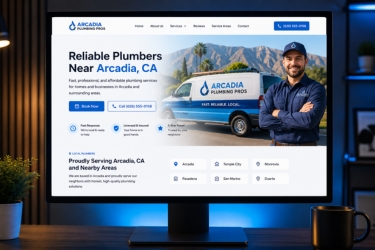
Local landing pages strengthen your company's geographic relevance. For this reason, many businesses include an "areas we service" segment on their websites. You have to do more. Set up local landing pages that connect a product or service with a specific location. Concurrently, avoid creating duplicate pages.
And do so for each city or neighborhood in your service territory. Capitalize on information about local customer needs, nearby landmarks, and regional challenges. In addition to the customer-facing text on these landing pages, leverage SEO best practices for title tags, H1 headings, internal links, and meta descriptions. Pros suggest embedding Google Maps and driving directions.
It is easy to feel overwhelmed with the intricacies of Google's algorithm. We recommend not going it alone. Work with insiders who understand localized Google Business Profile optimization and what it takes to appear in mobile local searches. Schedule a call to grow your business today!









.avif)