.png)
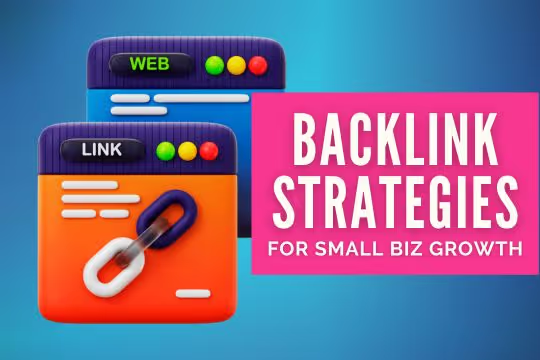
Your website receives a backlink when another site links to it. For search engines and prospective customers, the backlink feels like a vote of confidence. After all, another reputable site linking back to you clearly means they view your business as relevant and trustworthy. Just as in years past, backlink building strategies for small business websites in 2026 help improve search rankings, making your company much more visible than competitors. What is changing? What is staying the same?
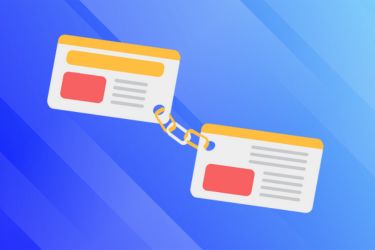
We have already discussed the link from a reputable site to yours. Google considers this a high-authority backlink. But there are other types as well. Next are do-follow and no-follow backlinks. The first passes search engine optimization (SEO) value, while the second does not. Even so, no-follow backlinks boost your company's visibility. That said, there are also low-quality backlinks. These typically come from irrelevant or spammy websites, which actually hurt your Google rankings.
Google is the benchmark for successful or unsuccessful 2025 backlink strategies to boost SEO. The simple approach of acquiring high-authority backlinks worked well to increase your website's search engine rankings. There has been a severe crackdown on the practice of paying website operators for their backlinks.
In 2025, Google developed a way to measure the relevance of backlinks, and if yours are found lacking, they may actually count against you. Not surprisingly, insiders urged website operators to post link-worthy content and enlist social media to share it. Additionally, anchor text came under scrutiny. So, what are the best backlink building strategies for small business websites in 2026?
Once again, high-quality content is a must.
Guest posts were a free-for-all. Companies would send polished content to several sites, asking them to post it (for free) and add a backlink to you as the author. In 2026, duplicate content will be ineffective. Therefore, it is better to do an industry-name + "write for us" search, connect with the websites you find, and pitch a relevant topic. Doing so prevents duplicate content and saves you time writing content that is not in demand.
Help a Reporter Out (HARO) connects journalists with experts. Sign up as a source and provide quotes when appropriate. Another opportunity is Qwoted, which not only appeals to journalists but also to content creators, podcasters, and marketing professionals. For written business content creators, Help a B2B Writer is the site to consider. It works similarly to HARO.
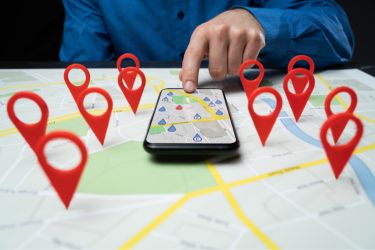
Small and medium businesses (SMBs) should continue to get their websites listed in local, legitimate directories. Examples include the Chamber of Commerce, any industry associations that apply to your niche, and local business listings that are frequently published by local newspapers. Unless a director is directly relevant to your type of business and/or location, tread lightly. Google might deem the backlink irrelevant and penalize your site for it.
You're new, your product or service is new, and your website does not yet have the authority in the niche it needs. What can you do? The answer is simple: put yourself out there. In other words, complete a Google Business Profile that provides you with a strong backlink from Google itself and local visibility in Maps. Do the same with Apple Business Connect, Bing, and Yahoo. Claim your Yelp profile or create one.
Enlist social media such as X, Instagram, and LinkedIn to develop official company pages. Remember also to submit to startup directories like Manta or Crunchbase. Digital PR for small businesses is another way to generate backlinks. Become familiar with crafting a press release, then submit it to PRLog or OpenPR. If you are uncertain how to prevent the release from being too salesy, work with an experience business-to-business writer to craft it for you.
Some websites offer you plenty of backlinks if you sign up for their service. They are actually so-called "SEO link farms," which Google penalizes. These types of links are neither authoritative nor relevant. Other backlink strategies to avoid include backlink exchange groups, automated link submission tools, blog comment spam, automated link building software, and private blog networks.
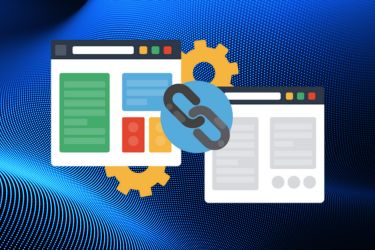
You typically cannot control who links back to you. While you want the backlinks from relevant sites, those trusted by Google, and those that have strong backlinks themselves, you do not want to find your links in automated directories, on paid blog networks, or spammy websites.
The good news is that there are numerous tools available to help you measure the quality of backlinks you are receiving. For example, Semrush will show you an authority score. Moz breaks down domain authority and page authority.
Strong backlinks:
Weak backlinks:
Let's say you find backlinks from undesirable pages. Remember that Google may lower your site's ranking or even penalize you. A tool like SEO SpyGlass is ideally suited for helping you identify other sites that link to yours. Next, evaluate the linking sites. Anything that appears irrelevant to your industry or location requires a closer examination.
If a site is hosted on a domain that includes "casino," "forex," or "adult", it may be toxic. When you find such links, use the "contact us" link to request that your link be removed from their site. Another option is to use Google Search's console to disavow the link. Disavowing a link instructs Google to disregard it and not consider it when evaluating your website's SEO. Use this process for spam sites and junk domains.
Backlink building strategies for small business websites in 2026 also require you to familiarize yourself with NoFollow and DoFollow links. A typical link coming from a trusted source is a DoFollow link. These are experience, expertise, authority, and trustworthiness (EEAT) backlinks you want.
NoFollow links are external links that could adversely affect SEO or page rank. Examples are paid links, sponsored content, or untrusted external links from user-generated content. While DoFollow links are, of course, important, you should also have some NoFollow links. They still drive referral traffic to your site and make your link profile appear natural, rather than artificially constructed.
As with every facet of business, artificial intelligence (AI) actively changes the way you earn relevant backlinks in your niche. As of 2026, the concept of GEO remains an emerging one. It focuses on how AI-generated content will affect search engine results, link building, and the creation of authoritative sources.
Working with SEO specialists is a good idea when entering the evolving world of GEO.

This type of content provides value, so it is not filler. The content must be valuable and shareable. Excellent content ideas are original content with AI-generated analysis, how-to guides of a technical nature, and resource list compilations. That said, many internet users can spot AI-generated content.
Therefore, a human must optimize the content for readability and accuracy. Once you have the content in place, follow the suggestions we listed previously. Examples include HARO signups and social media posts. Moreover, state on your website that users are free to download and post any linkable assets with a backlink to your site.
Backlinks are not just a good idea; they are essential. You need them to improve your website's authority in its niche. Of course, most small- to mid-sized business owners are experts in their fields, but not necessarily in all aspects of SEO, website development, local search engine optimization, and social media listings. Additionally, with the growth of AI and GEO, it makes sense to collaborate with someone who understands the details of SEO & GEO services.
E-Marketing Associates possesses the expertise you want and need. You take care of your business while we refine your website, integrate AI as required, and ensure that your content appeals to other sites for backlinks. Schedule a call with us today!








.avif)