.png)
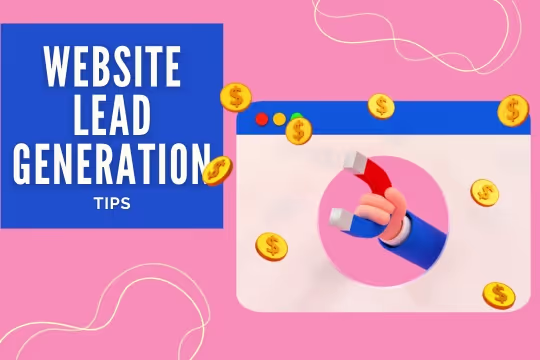
Having a website is only as useful as the business it brings. Many companies know that they need an online presence, but they are stumped when it comes to actually turning their site from passive promotion into active sales and lead generation. It's understandable; although we're living in an unprecedented digital era, where AI and hyper-personalized search drive consumer actions, most websites still feel like they did a decade ago. And as attention shifts to search engine optimization (SEO), it rarely asks how to achieve the real desired end goal: getting more people to submit their information so you can nurture them into customers. That's what this guide is for.
We'll explore why lead conversion is such a difficult concept for most businesses to grasp, then offer actionable tips for improving conversion on your website, page by page. It's not just about catchy headlines or flashy buttons. To generate more leads, you have to focus on the user experience. This means aligning content with their intent and ensuring your offer shows up at exactly the right place and at the right time.
Let's start by tackling what so many other business owners like you are searching for: “why my website is not generating leads.”
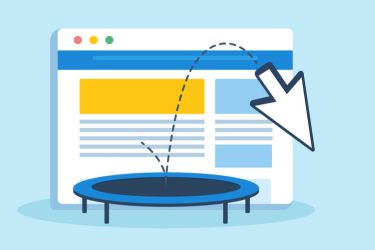
Most websites are optimized for views, not conversions, which is why they don't generate as many leads.
Social media is a great example of the power of views vs. conversions in action. When a post goes viral, amassing 10,000, 100,000, or over 1 million views, does that mean anything for the creator's bottom line? Not as often as you'd think; in fact, going viral can substantially grow follower counts and increase likes, but it doesn't always influence conversions, build brand loyalty, or drive sales. These are three of the most important things for a business to measure online, yet so many are only focused on web views and clicks.
While you obviously need traffic to convert anyone in the first place, see it as a stepping stone rather than an end goal. Once you stop optimizing for first clicks and start focusing on the user's journey, you'll be better positioned to improve lead generation.
This comes down to what marketers call content architecture. It's similar to SEO hierarchy, where page headings tell search engines what content is most important. But in marketing, this architecture is closely tied to the buyer's journey, so every page has a purpose, and every button, banner, and call-to-action (CTA) plays a strategic role in your business's lead generation process.

In this day and age, targeting top-of-the-funnel customers isn't the most beneficial strategy. They're less likely to convert, and they don't have a strong enough need to bother offering information most of the time. They're more drawn to guides and FAQs than to the specific content and problem-solving pages that drive action.
So, ask yourself: what do all of our best leads have in common? How much research have they done before coming to us? What problem do they specifically want us to solve?
Use the answers to those questions to shape your entire page content. This shifts the focus from educating a general audience to helping a dedicated group address a specific need or achieve a clear goal.
Consider this example:
You can publish a site about a youth soccer camp and mention the location, general sign-up information, and seasons. This is fine. It's essential information about your business. But if you stop there, what problem have you solved?
Imagine if you shift gears and craft a page dedicated to parents with active, high-energy children who want a reputable, affordable day program for their kids to attend in the middle of summer. The focus shifts from generic descriptions to key value offers, such as convenient pickup and transportation, 24-hour contact, video monitoring, professional coaches, and so on.
Once you fully understand your audience, you can begin implementing the type of content they respond to. Here's how.
Landing pages are a key part of conversion rate optimization. They allow your business to target specific keywords online, but more importantly, they give you direct places to send your audience when you promote your brand on social media.
Having a landing page for a key product or service makes it easier to align the content with your ideal leads' goals. This not only makes conversion easier for them but also helps you learn more about the factors that drive a visitor from "I'm curious" to "I want to know more."
Good landing pages are short (under 600 words, preferably), and they often include free value-adds like e-books or downloadables, called "lead magnets." These free offerings position your brand as an authority on your topic, and they make conversion feel like a two-way street. Instead of merely asking for information, you're exchanging something of value with your potential customers.
So, what should you offer? This is one of the biggest ways to solve the issue of "why my website is not generating leads." Think about the information your audience typically wants to know during their research stage. What resources are they after? If you can offer them something that educates them or helps them take a desired action, you're on the right path.
And the best part? Lead magnets are extremely low-cost, if not free, to make. Use free graphic design software like Canva to generate one. Having lead magnets in place on well-designed landing pages will instantly boost your conversion potential.
But once the content architecture is in place, it's important to consider some more technical elements of your website.
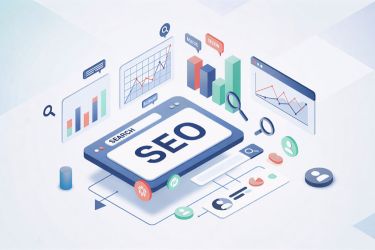
Free SEO audits can catch technical issues that harm your site's performance. These aren't just ranking factors; web pages that load slowly, are unresponsive, broken, or have a poor mobile experience are more likely to drive traffic away. A mere 1-second delay can send someone off your site.
If there's anything you glean from a technical audit, it should be that your technical performance needs to be nearly flawless. This is the foundation of a quality, high-converting website.
An email and name should be all you need to gather information from a lead. Keep it as short and simple as possible to boost conversions. After all, no one wants to feel like they're filling out a job application to request a quote or information from a company.
Lead generation forms are part of any good customer contact strategy, starting at the very top of the funnel. Your website is the first place people will likely interact with your brand; you want them to feel like getting in touch or downloading a freebie was quick and easy. This will set the tone for future communications and brand impressions as well.
Implementing autofill features can also make it easier for people to sign up or complete forms, especially when they're on mobile devices. While you tweak the details of your form, one thing should be consistent: a dedicated, clear thank-you page. This may include the next steps in cases of consultation requests. Otherwise, simply having a branded, appealing thank-you page leaves a positive impression on your new lead.

Your CTAs are what inspire people to perform a desired action on a site. But there's a secret to making high-converting CTAs that people often overlook. Instead of "Contact us," try something like, "Request a free consultation."
The focus isn't what others can do for you; it's what you have to offer them. Take a look at some of these strong CTAs for inspiration:
Urgency-based CTAs can also sometimes be beneficial, depending on your business. Phrases like "Don't miss out," Limited time offer," and "Claim your spot" work well at generating more leads.
If you're wondering "why my website is not generating leads," the answer can often be found in one of three areas: website performance, content, and value proposition. By ensuring your site performs well, you're laying a strong foundation for visitors to interact with your pages.
When your content aligns with your audience, and you follow best practices for high-converting landing pages, you're more likely to generate leads. And when you know exactly what you have to offer and how you do it differently from your competitors, you gain a clear advantage that attracts more potential customers.
Even better, enhancing your website for a specific audience helps you reduce the number of cold leads in your inbox. By continually refining your website and landing pages, you can turn your online presence into a lead-generating tool that supports your business's growth.
The right software makes all the difference. If you're interested in pricing for marketing tools that can help your business grow, explore E-Marketing Associates' options today.





.avif)