.png)
Your schedule might look great on paper, but your HR manager can't predict the future. A sudden death, injury, illness, or emergency could prevent an employee from arriving on time and focusing on complex projects. You'll also have employees who want to start a family or take care of a loved one without abandoning their duties.
Fortunately, businesses are finding it easier than ever to help their employees manage a healthy work/life balance. When you invest in workforce flexibility strategies for small business employee well-being, you'll create a happy, enthusiastic team that looks forward to starting projects, greeting clients, and helping each other succeed. As a bonus, you'll earn a reputation as a small business owner who cares about your workforce.

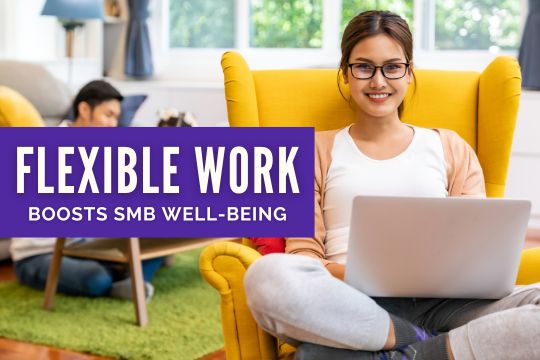
Flexible work gives your employees more freedom over their daily workflow. Instead of working at the office from nine to five each day, they can work remotely and adjust their hours according to their schedule. While they're still responsible for meeting deadlines, talking to clients, and adhering to company regulations, they'll enjoy a healthier work/life balance and pass their satisfaction on to your customers.
Many companies already have a flexible work program. If you've allowed an employee to work remotely after giving birth or recovering from an illness, you've seen how this policy can improve their quality of life. However, before you make this program available to everyone, it's important to learn workforce flexibility strategies to improve small-business employee well-being.
To start, see if any of your supervisors have experience managing remote marketing teams. They'll have the skills to streamline the transition and keep your team focused. However, if you don't have any employees with prior experience, you can still introduce the new arrangements with a trial period.
When you let employees work from home, you're responsible for providing the software, monitors, headsets, and other equipment that they need, so make sure you've organized your supplies before making the announcement. Afterward, let your team know that you're trying out new work arrangements and invite them to sign up for the program.
For the next few months, keep track of your team's progress and note any issues that arise. Common problems that you might experience include:
At the end of the trial period, you'll assess your team's performance. If they're ready for more independence, you'll update your company policy to include workforce flexibility strategies for small business employee well-being.

If you've ever held a retail job, you probably understand the stress of going to work while suffering from an illness, a sudden death, or a traumatic breakup. Often, corporate jobs are no different. Your employees might not talk about it, but they've probably forced themselves to work while dealing with a personal tragedy that made it difficult to focus and act cheerful.
With flexible work arrangements, your employees don't have to choose between keeping their jobs and dealing with their personal lives. Instead, they can switch to remote work when they need to stay home or adjust their schedule as needed. This leads to reduced stress, improved mental health, and better cognitive functioning.
Inviting employees to the office comes with its own set of costs. You'll need to pay for work stations, furniture, office supplies, vending machines, insurance, and more. On your employees' end, they're responsible for transportation, meals, professional clothing, and other essentials. Offering a cafeteria, in-house gym, and other amenities may improve their experience, but you'll also have more bills to pay.
Allowing employees to work remotely will reduce some of these costs. You'll save money on office supplies, amenities, and energy consumption, and they'll spend less on gas, makeup, clothing, and childcare. With fewer expenses to worry about, you'll be able to focus on giving your customers the best possible experience.
Many employers worry that remote work will lead to reduced productivity. In fact, giving your workers more freedom might motivate them to produce their best work. Benefits of remote employment include:
You can allow teammates to work remotely throughout the week or schedule a few days in the office. In any case, when your employees can relax at home instead of scrambling to get ready at the last minute, they'll feel calm, focused, and alert. This makes it easier for them to complete projects and take on challenging tasks.

Workplace stress leads to high turnover, forcing you to divert resources from other departments as you hire and train new people. These employees might stay for a few months, but as the bad experiences keep piling up, they'll submit their two-week notice — or, in a worst-case scenario, stop coming to work without warning.
When your employees have more freedom, they'll enjoy coming to work and want to stay as long as possible. This helps you build a strong, close-knit team with the experience you need to stay ahead of the competition. People will still move on eventually, but they'll leave on good terms and recommend your business to others.
Sometimes, employers have to pass over talented applicants because they have injuries, illnesses, or other conditions that make it difficult for them to leave the house. When you offer flexible arrangements, you'll get access to a pool of remote workers who could bring your team to newer heights. Plus, they won't need as much training because they already have experience with remote employment.
Some applicants might be able to visit your office for the interview. For others, you'll have to conduct the interview via video call. In any case, the experience will broaden your skill set and make your business look like an attractive employer.

Gas, electricity, trash, and waste all contribute to climate change. While you can't eliminate your emissions, you can reduce your carbon footprint by encouraging employees to work from home occasionally. This reduces the need for transportation, lowers energy usage in the workplace, and produces less trash that ends up in landfills.
Emergencies can strike at any time. A storm, earthquake, gas leak, pandemic, or power outage could make your office unusable, forcing you to close your doors while you rethink your business strategy. The lost profits make it harder to recover when you come back to work--and some companies end up shutting down entirely.
Luckily, when you have a flexible work policy, you're already prepared to switch to remote employment. Your team will set up their home offices and pick up where they left off with minimal downtime. Once you've resolved the emergency, you'll return to the office and resume your routine.
Since 1999, E-Marketing Associates has helped small businesses find their audience, manage their reputations, and market themselves to their target demographics. If you're considering switching to flexible work arrangements, our products and software can help your employees work from home while protecting your company's secrets.
We approach each project with a six-step process that includes identifying goals, analyzing your business, developing a strategy, launching your campaign, measuring data, and adjusting our roadmap to make the most out of your budget. Throughout the process, we'll keep you informed and personalize our services to meet your company's needs.
Reach out today to learn more about our company culture, our portfolio, and the products and services that help small businesses succeed. We're excited to partner with your operation.









.avif)