.png)
Marketers work hard to create engaging ads, videos, blog posts, and other collateral that enhance a brand's visibility and improve sales. But when it comes to actually tracking the progress of their efforts, many teams are operating in the dark. Aside from on-page conversions, many marketers struggle to effectively determine how many new leads or customers their campaigns generate.
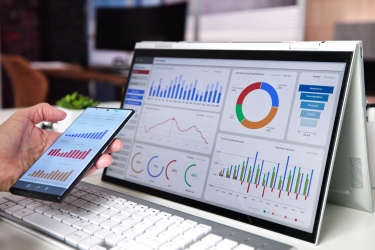
While developing a comprehensive evaluation strategy is important, you also need actionable, immediate tactics to measure marketing effectiveness. This doesn't just help you market better; it gives you real data to justify your campaigns to stakeholders.
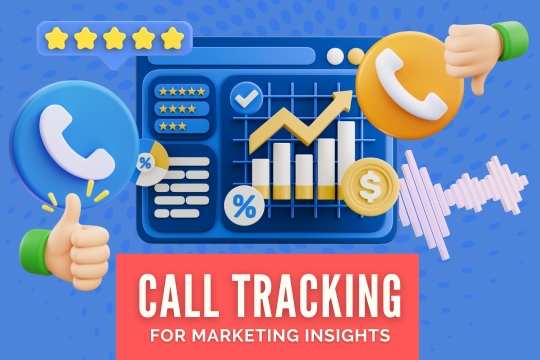
Call tracking is a highly accessible but extremely underrated marketing technique that can give you real insight into your campaigns, helping you make better-informed decisions to reach your targets.
Let's start by answering the question, "How does call tracking help measure marketing performance?"
Imagine knowing exactly which calls came through a channel. That information can help you connect calls to specific campaigns, and even specific content, and give you actionable data to improve your team's work. Marketing success isn't just launching a promotion and letting it run; it's not just about metrics and data analytics, either. True marketing success lies in its impact on a business's bottom line, and tracking calls provides a tangible key performance indicator (KPI) to measure success.
If you're looking for better ways to measure ROI on marketing spend, you need the right tools to individually track unique channel performance. Call tracking introduces channel-level attribution, meaning each marketing channel has a unique identifier you can review.
During the execution stage of a campaign, attribution makes the difference between passive review and proactive management. Real-time visibility into SEO, PPC, and even offline ads helps you optimize your marketing budget and align your budget with consumer trends.

One of the common questions marketing managers have is, "How does call tracking help measure marketing performance?" The answer lies in the data and the metrics' specificity.
Call tracking monitors voice data and gives you a look at what happens after initial conversion. In addition to knowing what channel initiated a call, you can see what specific keywords were linked to it, as well as how long calls lasted after connecting with a business.
Call outcome is another useful metric that shows whether leads took the desired action after contact, such as making a purchase or booking an appointment. A high volume of general inquiries with low conversion rates suggests your marketing is attracting a high volume of top-of-the-funnel leads, which indicates a need to shift toward more leads at the middle and bottom of the funnel.
You can also use call tracking to monitor first-time vs. repeat callers. This ratio can tell the marketing team how many prospects they're attracting compared to repeat customers, helping them focus their efforts on areas that align with company goals.
Another unique benefit of call tracking in marketing is the ability to review location data from callers. In some cases, other metrics, like age or occupation, may be available. But at the highest level of monitoring, knowing where callers are coming from can help your team determine whether it's attracting leads in the most profitable areas. For local businesses, this is essential because it directly affects whether you gain visibility in your service area.
For businesses that aren't restricted to a single regional market, geographic data remains valuable. By analyzing consumer trends, needs, and behaviors in different locations, you can fine-tune your messaging to boost conversions.
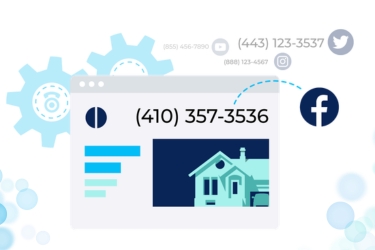
The main component of call tracking is dynamic number insertion (DNI). It uses JavaScript to assign a unique number to every visitor across different channels, so marketers know exactly where each call originated.
When you review data, the static phone number that visitors see on a site will be replaced with the unique number assigned to that particular channel. This is what leads to other factors tied to call attribution, such as keywords, campaigns, and session duration.
Modern call tracking recognizes that today's consumers don't typically make decisions in the moment. They take time to consider their options and often engage with multiple touchpoints before converting.
With an original phone number tied to each unique visitor, you can connect the call to the customer's journey, including the web pages they visited, the content they interacted with, the ads they clicked on, and more. This doesn't just help improve overall marketing strategy; it helps you nurture leads better, optimize conversion rates, and lower CAC.
Yes, call tracking lets you do more than just view overall call data; you can fine-tune it to be linked to a specific campaign, so each one receives a unique number.
The beauty of call tracking is that it can be as basic or granular as you like. It offers just as much value for macro and micro analyses. Whether you want to capture all visitor interactions on a site before a call or just track calls per channel, there's a tracking solution available.

An astounding 60% of marketing teams don't track their impact on business performance. Given such a lack of marketing effectiveness, it's difficult for marketers to justify the value of their decisions and actions to stakeholders. Even internally, managers often question the power of their data, with 64% of B2B marketing managers not trusting the information they have.
So when you're wondering how call tracking helps measure marketing performance, it's important to recognize the value of the data tracking collects, and how it ties into the overall marketing mix.
The two-fold issue of not knowing what to measure and not having useful data ultimately leads to a negative loop of running campaigns, not understanding their impact, and making the same mistakes due to poor insight.
Tracking inbound calls is one solution that gives marketers accessible, actionable, and valuable data about their content across multiple channels. From the website to PPC ads, inbound call tracking provides marketers with a quantitative key performance indicator to analyze and integrate into their campaigns at every funnel stage.
If you haven't implemented call tracking into your martech stack, this is the best time to start. The wealth of information it offers marketing teams across industries the chance to gain real insight into their impact on conversions, so they can refine their strategies and keep driving the business forward.
Ready to see how this technology can help your team? Request a call tracking demo today!









.avif)