.png)
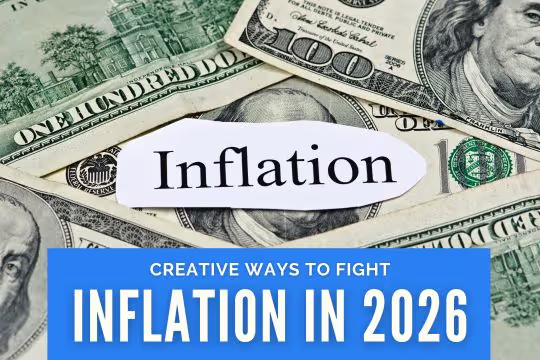
As inflation continues to rise, small business owners face more challenges that threaten to upend their business models. Procurement, manufacturing, and marketing become increasingly expensive, but raising prices could alienate customers and force companies to go out of business. Fortunately, learning how small businesses can combat inflation and safeguard their profit margins may help keep your company afloat and give you a competitive edge.

In a matter of days, a minor disruption could become a supply shortage, forcing you to halt production or search for new suppliers. In the meantime, you'll lose valuable time that you could've spent getting your products on the shelves and manufacturing new goods for customers. When you finally locate a supplier, they may charge two or three times the usual rate.
Inflation makes it more essential than ever to stock up on essential ingredients, office supplies, raw materials, spare parts, and any other necessary items to run your operation. This helps you stay ahead of supply chain disruptions, and you may receive a discount for purchasing in bulk.
As you learn how small businesses can fight inflation and protect profit margins, you'll probably start thinking about small expenses that your company could eliminate. Canceling one subscription, switching to one cheaper material or automating one task may save you hundreds of dollars each year. Creating a small business budget is a great way to evaluate your expenses and identify areas for potential cost reduction.
If you can't find anything in your budget, try thinking of ways you could use fewer resources. This includes using less water and electricity in the office, reusing or repairing items instead of purchasing new ones, and opting for restaurants and bringing lunch from home. The smaller bills will free up money for other resources, and you could earn a reputation as a "green" company.
As customers seek to reduce costs and explore cheaper options, this is the perfect time to demonstrate your appreciation for their business. Sometimes, a simple email that thanks customers for their support is all you need to increase brand loyalty. You could also request feedback to find the best ways to serve your clientele.
If you don't have a rewards program, consider adding one to your business model. When customers earn points with every purchase, they're more likely to keep shopping to earn free gifts and discounts. Cashing in those points increases customer satisfaction and builds positive associations with your brand.
The occasional sale or discount will give you a temporary sales boost and provide customers with the opportunity to treat themselves without exceeding their budgets. Events that you could add to your content calendar include:
Be sure to announce the sale in advance to build momentum and give your clients sufficient time to prepare. They may need to set aside funds before the event is announced.

When a recession strikes, many employers begin cutting positions to reduce costs. This might help them in the short term, but in the long run, they'll experience system malfunctions, customer complaints, supply chain disruptions, high turnover rates, and other issues that could eventually put them out of business.
Instead of reducing your workforce, consider ways to attract the best talent. These employees possess the skills, knowledge, and education to help you navigate economic downturns and maintain a strong customer base. Try looking at the benefits and salaries that your competitors offer, then find benefits that fit within your budget.
While you're at it, your existing employees deserve appreciation just as much as your new hires. Try surprising them with a bonus, a catered lunch, event tickets, or an email that celebrates their accomplishments and discusses your gratitude. This increases employee satisfaction and reduces turnover rates, allowing you to focus more on your business.
Many companies waste time, money, and resources on products that few people buy. Review your sales for the past few years, and then determine if you can eliminate any products from your line. Sometimes, a new marketing strategy could revive interest in an old design--but if your sales are particularly low, it's probably not worth the effort.
While you're at it, review your products themselves and see if you can save money on design or manufacturing. This doesn't mean that you should switch to cheap materials that your customers may not notice at first, but they'll eventually catch on and write negative reviews, and you might be paying for features or processes that you don't need.

With costs increasing across the board, raising your prices might seem like the next logical step. Your clients may initially tolerate price increases. However, if your costs continue to rise, they'll eventually turn to a competitor or abandon the industry altogether. Once you've lost this audience, you'll need extensive marketing to bring them back.
If you have no other choice, ensure you raise prices with a light touch. Some businesses go as far as to inform customers about the price change and explain that they're trying to keep up with inflation. This may deter a few people, but most of your audience will likely appreciate the honesty.
Consumers are also feeling the pinch from inflation. They're cutting costs, stocking up on groceries, searching for deals, and worrying about unexpected fees. If you market yourself as a cost-effective business that knows what people are going through, you might be able to snag more customers and boost your sales.
In some cases, you could even develop a new product or service that targets inflation. For example, a cookware company could offer a "starter kit" of budget-friendly tools, while a marketing business may sell e-books on how to combat rising expenses. If your new offering does well, it could become part of your core product line.
While it's important to build strong relationships with your partners, relying on one supplier will leave you scrambling if they raise their prices, suffer from a disruption or go out of business. You don't have to switch immediately, but check out other suppliers to give your business more flexibility. You might even discover a supplier that offers similar materials at a lower price.
When a supplier catches your eye, invite them to sit down with you and discuss your options. You'll start to build a relationship that you can fall back on if you need to switch. Plus, you'll have their contact information readily available.

Artificial intelligence (AI) has the power to automate tasks, including sorting emails, adding events to your calendar, generating text, replying to customers, and more. This technology still requires human oversight; however, you can save time and money by investing in advanced and ethical AI tools.
Research platforms that offer the necessary tools, and then contact us to discuss scheduling a demo. You'll get the chance to ask questions, try out the technology and see how it could benefit your business. Plus, many platforms offer free trials for new clients.
Now that you've learned how small businesses can fight inflation and protect profit margins, E-Marketing Associates offers a variety of software solutions for business efficiency. Our tools can streamline your operation and help you save money while reaching more customers than ever before. Reach out today to learn about your options for social marketing, reputation management, local search optimization, ADA compliance, and customer engagement.








.avif)